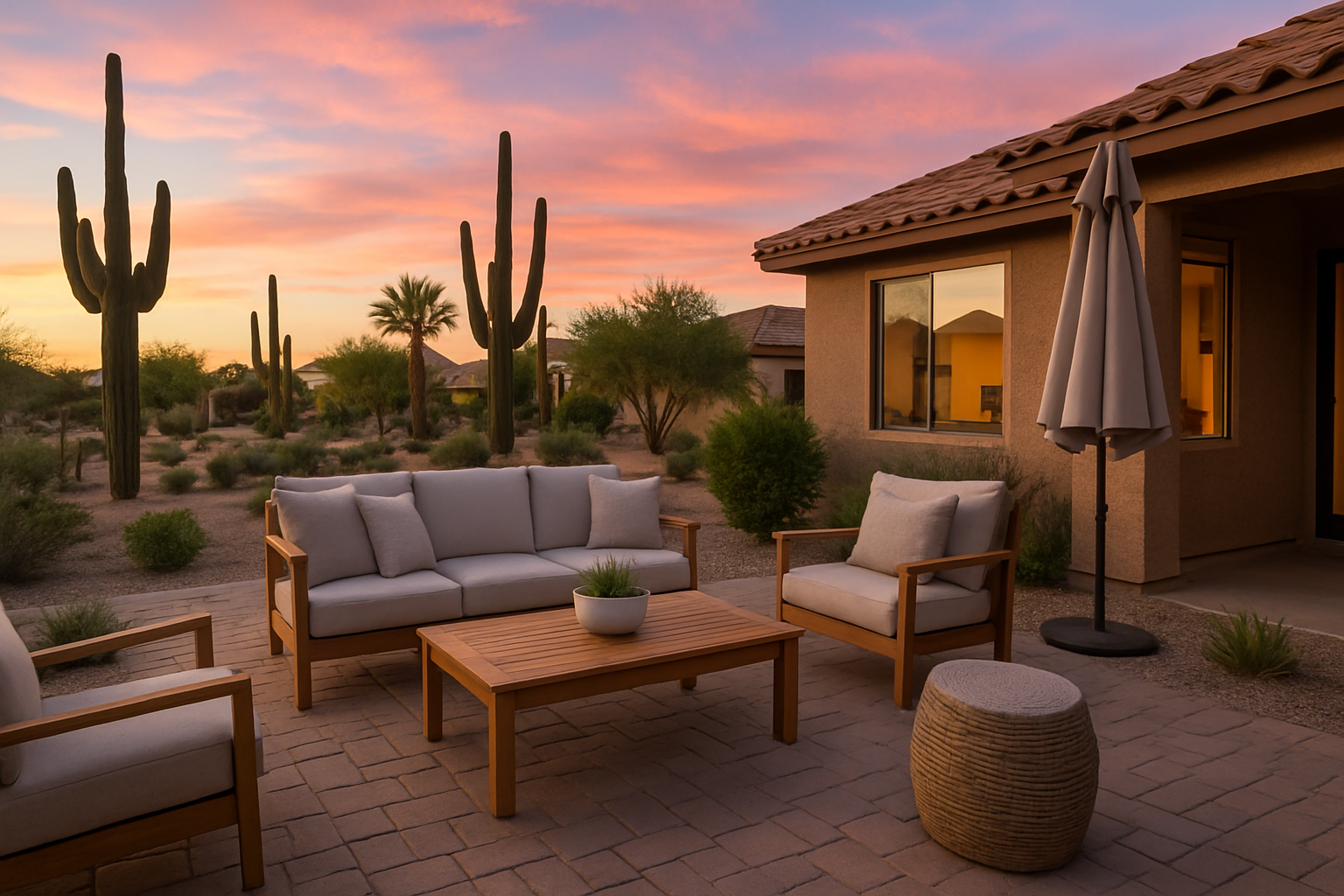
Living in Arizona means your backyard is practically a second family room for over half the year, provided you set it up right. Honestly, a beautiful outdoor living space is completely useless if the chairs feel like sitting on a frying pan. Let’s talk about how to pick seating and tables that actually survive our intense desert climate without looking like a bland hotel lobby.
What the Desert Does to Average Patio Furniture
You would think buying patio furniture in a desert state would be foolproof. It actually isn’t. People move to the Valley, head to a big box store, and grab a cheap matching set. By August? That same set is rusted, peeling, or completely faded from the sun.
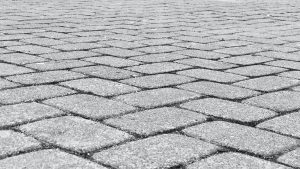
Here is the thing about Gilbert—we don’t just deal with sunshine. We deal with aggressive UV rays, sudden monsoon downpours, and enough dust to coat everything you own on a weekly basis. The elements are brutal here. If you are going to invest in a gorgeous custom paver patio installation, you really need furniture that respects the space. A stunning hardscape just deserves better than cracked plastic.
Let me explain a little industry secret. Most outdoor furniture sold nationally is designed for temperate climates. It is built to survive mild rain and a normal summer. But Arizona summers are a different beast entirely. You need materials that will not absorb heat until they become a literal safety hazard, and you need fabrics that laugh in the face of our UV radiation.
The Real Winners and Losers of Arizona Yard Seating
When you are shopping, the frame material is your very first hurdle. Some materials look amazing in showrooms but fail miserably on a sun-drenched Gilbert paver patio.
If you have lived here for more than a year, you know what our July haboobs look like. The sky turns brown, the wind howls, and suddenly your lightweight patio chairs are swimming in the deep end of your neighbor’s pool. You need weight, but you also need heat resistance.
Let’s break down what actually works.
| Frame Material | Desert Durability | Touch-Test (Heat Retention) |
|---|---|---|
| Wrought Iron | Extremely high (will not blow away) | Dangerously hot in direct sun |
| Cast Aluminum | Very high (rust-proof) | Warm, but cools down rapidly |
| Teak Wood | Moderate (requires yearly oiling) | Cool to the touch |
| Polywood (HDPE) | High (won’t crack or rot) | Warm, but entirely safe |
| Cheap PVC Plastic | Very low (brittle after one summer) | Melt-risk in extreme heat |
You see the contradictions here, right? Wrought iron is incredibly durable and heavy—which is perfect for monsoon winds—but it acts like a cast-iron skillet left on the stove. If you sit on it wearing shorts in mid-July, you will regret it instantly.
Making the Right Material Choice
So, what should you actually buy?
- Cast aluminum is a crowd favorite. It offers the classic, heavy look of iron but does not retain heat the same way. Plus, it will absolutely never rust. Just make sure the pieces have some heft to them so they stay put during storms.
- Teak is undeniably gorgeous. It brings a natural, resort-like warmth to your backyard design. However, teak does require maintenance. You have to oil it periodically, or it weathers to a silvery gray. Some people love that weathered look, but if you want it looking brand new, be prepared for a little elbow grease.
- Polywood (HDPE) is the modern hero. Made from recycled materials like milk jugs, this stuff is ridiculously heavy and practically indestructible. It mocks the Arizona sun. It will not splinter, rot, or crack, making it a brilliant long-term investment for any patio.
Let’s Talk About Fabrics (Because Fading is Real)
You know what? I was at a neighbor’s house last weekend. They had this beautiful sectional sitting on a fresh set of natural stone pavers. The only problem? The cushions, which were supposedly a rich navy blue when they bought them in April, were now a sickly shade of dusty purple.
Fabric is where people waste the most money.
If you are setting up an outdoor living space in Gilbert, you really only have one reliable option: solution-dyed acrylic. The most famous brand for this is Sunbrella, though there are other highly reputable manufacturers out there doing the exact same thing.
Why does this matter? Well, traditional fabrics are printed or dyed on the surface. Imagine a radish—red on the outside, white on the inside. When the sun beats down on it, that surface color just bakes right off. Solution-dyed acrylics are more like carrots. The color goes all the way through the fiber before it is even woven into cloth. Even our relentless UV rays struggle to bleach it.
Beyond fading, you have to think about keeping it clean. Because, let’s be honest, the dust here is relentless. A good solution-dyed fabric can literally be hosed off, or even scrubbed with a mild bleach solution for tough stains, entirely without losing its vibrant color. Sure, these cushions cost a bit more upfront. But replacing cheap cushions every single spring gets exhausting, and it gets expensive quickly.
Arranging Your Setup Without Crowding Your Pavers
Alright, so you have the right materials and the right fabrics. Now you actually have to arrange the stuff.
This is where a little bit of spatial planning goes a very long way. You want your yard to feel inviting, not like an obstacle course. Traffic flow—which is just a fancy landscaping term for “can I walk to the grill without tripping over a chair”—is crucially important.
When you look at your Gilbert patio pavers, think about creating specific zones.
- The lounging zone: This is your deep-seating area. Sectionals, club chairs, and a sturdy coffee table belong right here. Face this setup toward your main focal point. That might be your pool, an outdoor television, or your garden.
- The dining zone: Keep this as close to the back door or the outdoor kitchen as possible. Nobody wants to carry a tray of heavy burgers fifty feet across a hot yard.
- The Fire Pit zone: If you have a custom fire feature, arrange Adirondack chairs or heavy lounge chairs around it. Leave at least three feet of walking space between the back of the chairs and the edge of your patio to keep things comfortable.
Here is a quick pro tip: If you have a pristine travertine patio, you might want to use thick felt or rubber pads on the feet of heavy metal chairs. While travertine is incredibly tough and perfect for our climate, dragging a heavy wrought iron dining chair across it every single day can eventually leave small, annoying scratches.
Honestly, cramming a massive ten-piece dining set onto a small patio just makes everyone feel trapped. Scale is everything. Measure your patio space before you buy a single thing. Leave plenty of negative space so the raw beauty of your Paver Installation can actually shine through.
The Secret Ingredient: Throwing Shade
We need to touch on an undeniable truth about living in the Valley. You can buy the absolute most expensive, heat-resistant, top-tier furniture on the entire market. But if it sits in direct sunlight at 2:00 PM in July, nobody is going to sit there.
Shade is not an accessory; it is a fundamental requirement.
Cantilever umbrellas are fantastic because they do not have a center pole blocking your line of sight. You can tuck the heavy base off to the side of your seating arrangement and hover the large canopy right over your coffee table. It is a highly flexible way to cool down a specific zone.
If you want something far more permanent, think about adding a pergola. A solid wood or aluminum pergola built right over your patio gives the space a defined ceiling. It turns a flat, open area into an actual outdoor room. Plus, having a sturdy overhead structure means you can easily string up bistro lights, hang a heavy outdoor ceiling fan, or even install a high-pressure mister system to drop the temperature by another ten degrees.
Your pavers are the floor, your furniture is the decor, but the shade is the roof that makes it all entirely usable.
Ready to Build the Perfect Foundation?
You can spend weeks agonizing over cushion colors and cast aluminum frames, but true backyard comfort always starts from the ground up. Before you can arrange that stunning new sectional or invite the neighborhood over for a weekend barbecue, you need a surface that is level, highly durable, and breathtakingly beautiful.
A crumbling, shifting concrete slab just will not do your new furniture justice.
At Gilbert Paver Company, we specialize in creating the kind of solid, gorgeous foundations that make you actually want to spend time outside. Whether you are looking for a complete backyard overhaul, a stunning new pool deck, or just a cozy fire pit patio to gather around in the winter, we know exactly how to handle the desert terrain. We take immense pride in our craftsmanship—craftsmanship that easily stands up to our crazy weather, ensuring your yard looks pristine year after year.
Do not just set beautiful, expensive furniture on dirt or cracked concrete. Give your outdoor living space the stunning foundation it truly deserves. Give us a call today at 480-534-9680 to chat about your ideas, or Request a Free Quote on our website to get your project started right now. We are right here in Gilbert, and we are ready to help you build a backyard you will never want to leave.