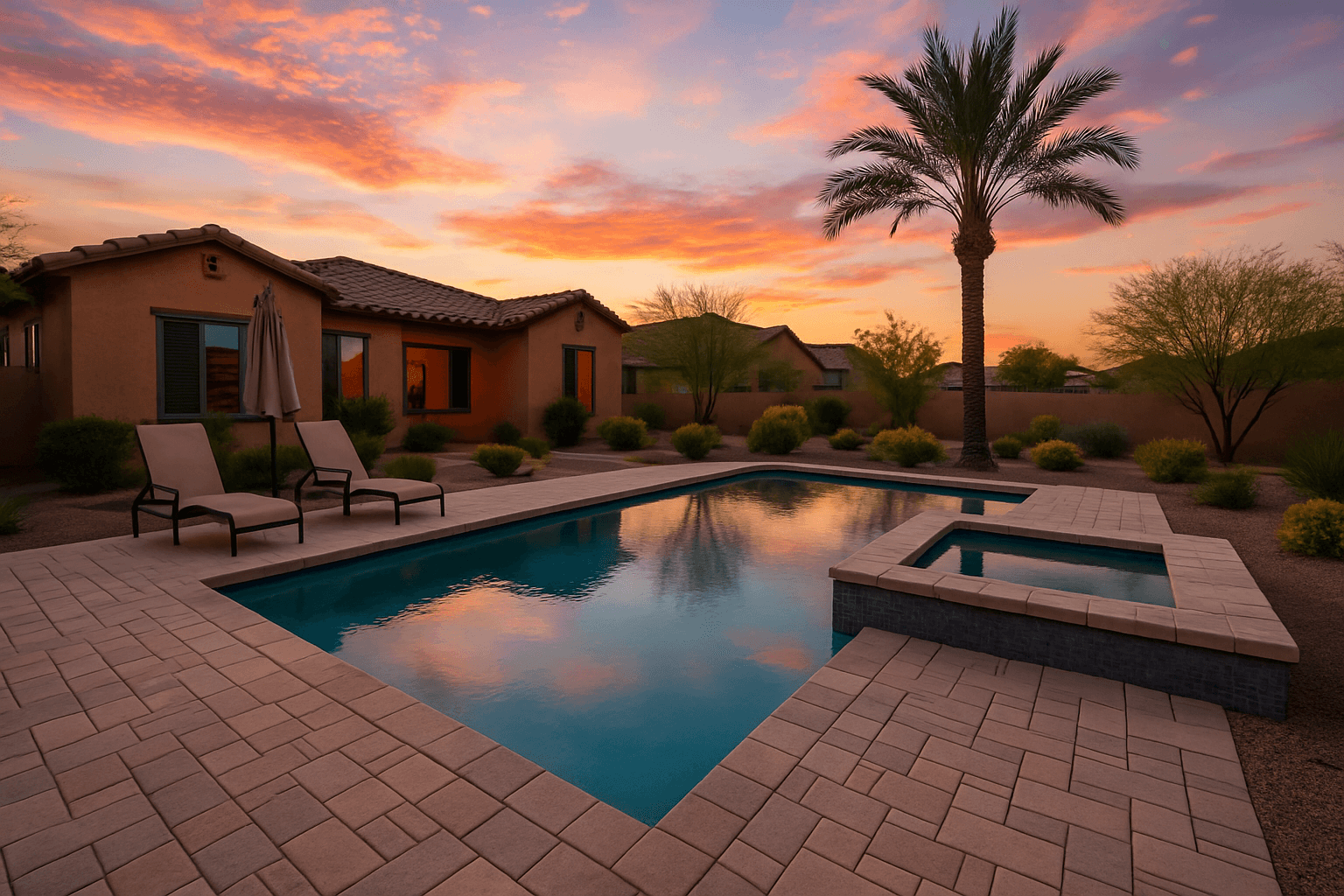
Living in Gilbert means your pool isn’t just a luxury; it’s basically a survival tool during those triple-digit summers. But if your current deck burns the soles of your feet or looks like a cracked mess, you aren’t getting the most out of your backyard oasis. Let’s figure out how to upgrade your space with pavers that look great and actually make sense for our specific climate.
Why Pavers Are Winning the Backyard War
Here’s the thing. A lot of homes in Arizona were built with standard acrylic-coated concrete decks. They look fine for a few years, but eventually, the sun wins. The coating peels, or worse, the concrete cracks.
You know why that happens? The ground here moves.
Between the heat expanding everything and our soil shifting, concrete slabs don’t stand a chance. They are rigid. When the earth moves, the slab snaps. Interlocking pavers, on the other hand, are what pros call a “flexible pavement system.”
It sounds technical, but it’s actually pretty simple. Because pavers are individual pieces held together by friction and sand, they can move with the earth. If the ground shifts slightly, the pavers adjust rather than cracking. It’s like the difference between a glass ruler and a tape measure; one snaps under pressure, the other bends.
Plus, if you ever have a plumbing issue under the deck—and honestly, that’s a nightmare nobody wants to think about—you can zip out the pavers, fix the pipe, and put the same pavers back. Try doing that with a slab of concrete. You’d be looking at a jackhammer and a patch job that never quite matches.
Picking the Right Material (Without Getting Burned)
If you have lived in Gilbert for more than a year, you know the biggest rule of outdoor living: Heat retention matters.
You can have the most beautiful, dark charcoal slate pool deck in the world, but if it reaches 150 degrees by noon, it’s useless. You’ll be tiptoeing to the water like a cartoon character walking on coals.
Here is a breakdown of the materials we usually recommend, keeping our local weather in mind.
Travertine Pavers
This is the heavyweight champion for Arizona Pool Decks. Travertine is a natural limestone that stays surprisingly cool to the touch. It has porous capillaries that transfer heat into the earth below rather than storing it on the surface.
Is it the cheapest option? No. But it transforms a backyard into a resort. It has that tumbled, natural look that hides dirt well, which is a bonus when the dust storms roll through.
Concrete Pavers
These have come a long way. Modern concrete pavers can mimic stone, brick, or even wood. They are durable and generally more affordable than natural stone.
However, you have to be careful with color. Lighter colors like sand, cream, or light grey are essential here. If you go too dark with concrete, it will get hot.
Porcelain Pavers
This is a newer trend catching on. Porcelain pavers are incredibly tough. They resist stains, they don’t fade in the UV light, and they are very hard to scratch. They offer a very modern, sleek look.
Here is a quick comparison to help you visualize it:
| Material | Heat Resistance | Maintenance | Slip Resistance | Cost Tier |
|---|---|---|---|---|
| Travertine | Excellent (Cool) | Medium | High (when tumbled) | High |
| Concrete Pavers | Good (Choose light colors) | Low | High | Low – Medium |
| Porcelain | Good | Very Low | Very High | High |
| Brick | Poor (Gets Hot) | Medium | Medium | Medium |
Let’s Talk About Safety for a Second
We can tell kids “no running by the pool” until we are blue in the face. They are going to run. It’s just what happens.
That is why texture is a big deal. You want a surface that provides grip even when it is soaking wet. This is where the industry term coefficient of friction comes into play.
Polished stone looks fancy, but it turns into an ice rink when wet. For a pool deck, you want a textured or “tumbled” finish. If you go with travertine, tumbled is standard. If you choose concrete pavers, look for a textured surface rather than a smooth finish.
It’s a balancing act, right? You want it smooth enough to be comfortable on bare feet, but rough enough that you don’t slip.
The “Invisible” Part That Actually Matters
You might pick the most expensive stone in the quarry, but if the installation underneath is sloppy, it’s going to look terrible in two years.
In Gilbert, we deal with expansive clay soils. This soil expands when wet and shrinks when dry. If you just throw pavers on top of dirt, they will heave and sink.
Proper base preparation is where the real work happens.
- Excavation: We have to dig down deep enough to remove organic material and soft topsoil.
- Geotextile Fabric: Sometimes, we use a heavy-duty fabric to separate the soil from the gravel. It keeps the clay from swallowing the base.
- Aggregate Base: This is a layer of crushed rock (road base) that gets compacted. I mean really compacted. This provides a stable table for the pavers to sit on.
- Bedding Sand: A thin layer of coarse sand goes on top of the rock. This is what the pavers actually bed into.
It’s boring stuff, I know. But when your deck is still perfectly flat ten years from now, you’ll be glad the sub-base was done right.
Design: Patterns and Coping
This is the fun part. The design of the deck sets the mood for the whole yard.
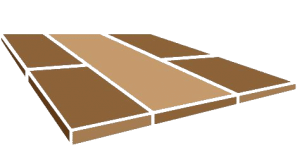
One of the most popular layouts we see in Gilbert is the French Pattern (also called the Versailles pattern). It uses four different sizes of stones arranged to look random. It breaks up the grid lines and looks very organic, which fits the desert landscape perfectly.
If you want something more modern, a simple running bond (like subway tile) or a large-format rectangular stack looks very clean.
Then there is the pool coping.
Coping is the edge material that borders the water. It’s the cap on the pool shell. You generally have two main choices here:
- Bullnose Coping: This has a rounded edge. It’s classic, soft on the legs when you’re sitting on the edge, and very safe.
- Square Edge (Eased Edge): This is more contemporary. It gives a crisp, sharp line to the pool.
If you are renovating an existing pool, we often use remodel coping, which is designed to go right over the old concrete bond beam. It saves a ton of demolition work.
Maintenance: Keeping It Fresh
Homeowners always ask me, “Is this going to be a lot of work?”
Honestly? Not really.
Compared to wood decks that need staining or concrete that needs patching, pavers are low maintenance. But low maintenance doesn’t mean no maintenance.
Sealing
Should you seal your pavers? You don’t have to, but it helps. A good penetrating sealer can protect the stone from salt water or chlorine damage. It also makes it easier to clean up mustard or wine spills after a BBQ.
Some sealers also enhance the color, making the stone look “wet” all the time. If you like that vibrant look, go for a color-enhancing sealer. If you prefer the natural, dusty look, get an invisible sealer.
Weeds and Ants
The gaps between pavers are filled with sand. In the old days, weeds would grow there, or ants would mine the sand out.
Nowadays, we use polymeric sand. It’s a special mixture that contains polymers (basically glue) that activate when you wet them. It hardens up like grout but stays flexible enough not to crack. It locks the pavers in place and stops the ants dead in their tracks.
Every few years, you might need to power wash the deck and top off the sand. That’s about it.
Adding Value to Your Home
Let’s be real for a moment about property value. Outdoor living spaces are huge right now. In Arizona, the backyard is essentially an extension of the living room.
Investing in a high-quality hardscape isn’t just about your enjoyment; it’s a selling point. A cracked concrete deck is a liability that buyers look at and think, “Expensive repair.” A beautiful travertine paver deck? That’s an asset. It suggests the home has been well-maintained.
Plus, you can add features seamlessly with pavers. Want to add a Fire Pit later? Easy. Want to build an outdoor kitchen? We can match the pavers to tie it all together. It creates a cohesive look that feels intentional, not pieced together over the years.
Ready to Transform Your Backyard?
Look, summer is coming. It always is. You deserve a pool deck that doesn’t blister your feet and makes you proud to host the neighborhood BBQ. Whether you want the timeless elegance of travertine or the modern durability of porcelain, we can help you navigate the choices.
At Gilbert Paver Company, we know the local soil, we know the heat, and we know how to build decks that last. Don’t let another season go by with a backyard you just “tolerate.”
Let’s make your pool the highlight of your home.
Request a Free Quote today to get started on your project.
Call us at 480-534-9680