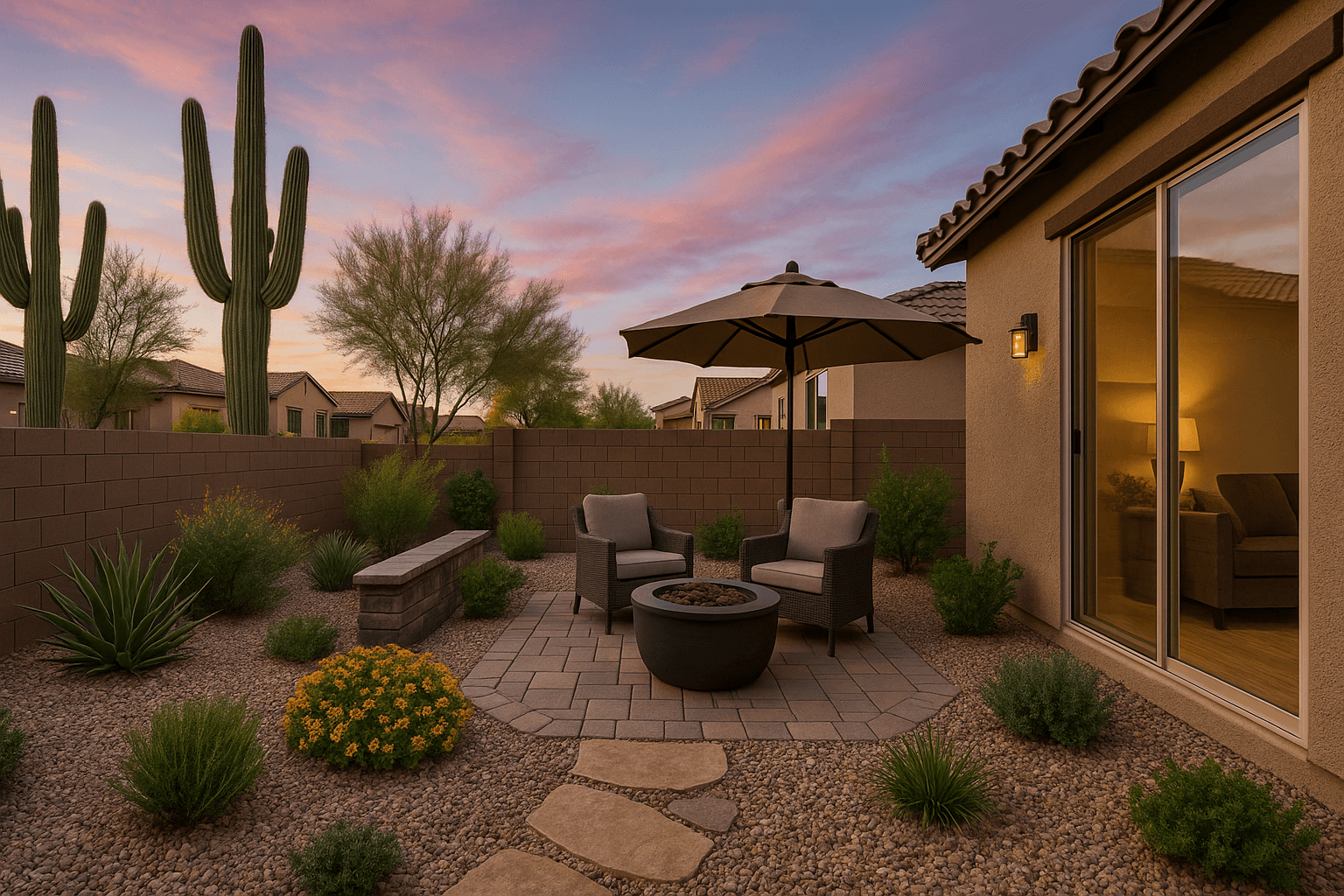
You look out your back sliding door and sigh, thinking there just isn’t enough room to do anything cool back there. It’s a common frustration here in the Valley, where newer developments often trade lot size for square footage inside the house, leaving you with a “courtyard” rather than a sprawling estate. But here’s the thing: a small yard isn’t a dead end; it’s actually an opportunity to create something intimate, manageable, and honestly, a lot cheaper to maintain than a massive lawn.
It’s Not About Size, It’s About Geometry
Let’s be real for a second. When you walk into a small room in a house, does it feel cramped because of the square footage, or because of how the furniture is arranged? It’s usually the latter. The same logic applies to your Gilbert landscape design.
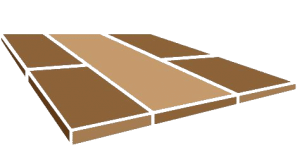
If you just throw a patio slab in the middle and surround it with gravel, yeah, it’s going to feel small. But if you play with angles, you can trick the eye. We often use paver patterns laid at a 45-degree angle to the house. Why? Because when you look out, your eyes follow the lines to the corners of the yard rather than straight to the back fence. It stretches the visual field. It’s a simple trick, but it works every time.
Ditch the Grass (Seriously)
I know, I know. We all grew up wanting that patch of green. But in a small backyard in Arizona? Real grass is high maintenance, thirsty, and honestly, the mower takes up half your shed space. Plus, in a tiny yard, a lawn mower is awkward to maneuver.
Consider swapping that struggling Bermuda grass for synthetic turf or extending your hardscape. By using travertine pavers or concrete pavers across more of the yard, you actually make the space feel larger. It creates a seamless flow from indoors to outdoors, effectively turning your patio into an extension of your living room. And if you miss the green, potted plants or a small strip of high-quality Artificial Turf gives you that lush look without the Saturday morning sweat session.
The Magic of “Rooms”
It sounds counterintuitive, right? How does dividing a small space make it feel bigger?
Think about it like this: if you have one open rectangle, your eye takes it all in at once. Boring. Done in two seconds. But if you use hardscaping features to create distinct zones—a spot for dining, a spot for lounging, maybe a small fire feature—you create a journey.
You don’t need massive walls to do this. A simple change in paver texture or color can signal a new “room.” Maybe the dining area uses a smooth, large-format paver, while the Fire Pit area uses a textured, smaller cobblestone style. It adds depth. Suddenly, your 800-square-foot yard feels like a multi-functional retreat.
Vertical Thinking: When You Can’t Go Out, Go Up
We tend to focus on the ground, but your fence line is valuable real estate. In small Gilbert yards, the block walls can feel a bit like a prison if you aren’t careful.
You can soften this with vertical gardens or trellises, but from a hardscape perspective, consider raised planters or retaining walls. Here is a pro tip: build a sitting wall.
A sitting wall (usually about 18-24 inches high) built along the perimeter of your patio does two things:
- It acts as a planter or a retainer for your landscaping.
- It creates permanent seating.
This is huge. By having built-in seating, you don’t need to clutter your small patio with a dozen folding chairs when guests come over. You keep the center open for flow, and the seating is always there, ready for a sunset hang.
Choosing the Right Paver for Small Spaces
Not all pavers are created equal, especially when space is tight. You might think, “Small yard, small pavers, right?” Actually, it’s usually the opposite.
Large format pavers (think big slabs of limestone or porcelain) minimize the number of joint lines on the ground. Fewer lines mean less visual clutter, which makes the floor look expansive. It’s cleaner. It’s more modern.
Here is a quick breakdown of how different materials impact the feel of a small yard:
| Material Type | Visual Impact | Best Use For |
|---|---|---|
| Large Format Pavers | Makes space feel open and uncluttered. | Main patio areas, dining zones. |
| Cobblestone/Brick | Adds texture but can look busy in large amounts. | Borders, accents, or small pathways. |
| Travertine | Natural, light colors reflect heat and expand space. | Pool Decks (if you have a spool) or main patios. |
Fire and Water on a Micro Scale
You probably don’t have room for a massive resort-style pool or a 10-foot stone fireplace. That’s okay. You can get the same vibe with scaled-down versions.
Instead of a pool, have you considered a water feature? A simple urn fountain or a small sheer descent waterfall built into a Retaining Wall creates that soothing white noise that drowns out the neighborhood sounds. It cools the area down psychologically, too.
For fire, skip the giant wood-burning hearth. Go for a sleek, linear gas fire pit. They take up way less room and can double as a coffee table when they aren’t lit (if you get one with a cover). Plus, in Gilbert, we have those “no burn” days to worry about—gas bypasses that headache entirely so you can enjoy the ambiance whenever you want.
Lighting: The Secret Expander
Lighting is often an afterthought, but in a small yard, it’s a game-changer. If you only have that one bright floodlight attached to the back of the house, your yard looks like an interrogation room at night. It flattens everything.
Low-voltage landscape lighting creates depth. By placing lights at the back corners of the yard or uplighting a tree near the fence, you push the visual boundaries out. You are telling the eye, “Look, there is more space back here.”
Bistro lights strung overhead are also fantastic for small spaces. They draw the eye upward (again, using that vertical space) and create a ceiling that feels cozy rather than claustrophobic.
Let’s Talk About Shade (Because: Arizona)
You can have the most beautiful paver patio in the world, but if it’s 110 degrees and fully exposed, you aren’t going to use it. In a small yard, you have to be clever about shade.
A massive solid roof structure might make the house feel dark inside. Instead, look into Alumawood pergolas or lattice covers. They provide about 60% shade, which cuts the glare and heat significantly but still lets light filter through to your windows.
Another great option for tight spaces is a cantilever umbrella. Since the pole is off to the side, it doesn’t take up prime real estate in the middle of your table or conversation area. You can swing it around to follow the sun.
Seamless Transitions
One of the biggest mistakes I see is a harsh transition between the house and the patio. You want to blur that line.
If you have tile inside, try to match the color tone with your outdoor Paver Installation. If your indoor floors are a beige travertine, keep that beige tone going outside. When the sliding door is open, it tricks the brain into thinking the indoor living space just… kept going. It makes your 1,800-square-foot home feel like it encompasses the entire lot line.
Don’t Overfill the Space
This is more of a lifestyle tip than a construction one, but it matters. When we finish a beautiful paver project, the homeowner often rushes out to buy the biggest patio furniture set they can find at Costco.
Pause. Breathe.
Oversized furniture creates a bottleneck. In a small space, look for furniture with open frames (where you can see through the back and under the legs). It allows light and air to pass through, keeping the visual weight light. And keep the traffic patterns in mind—you should be able to walk from the back door to the gate without shin-checking a coffee table.
Why Hardscaping is the Hero of Small Yards
Here is the bottom line: Softscaping (plants) grows. It gets bigger. It needs trimming. In a small yard, an overgrown bush can suddenly eat up 10% of your usable space.
Hardscaping—pavers, walls, concrete—stays exactly where you put it. It’s predictable. It defines the space permanently. For homeowners in Gilbert who want a “lock and leave” lifestyle or just want to spend their weekends grilling instead of weeding, a paver-heavy design is the smartest move for a compact yard.
You can still soften the edges with pots and planters, but let the hardscape do the heavy lifting.
Your Small Yard Has Big Potential
It’s easy to get jealous of those half-acre lots, but small yards have a charm all their own. They are cozy, intimate, and easy to manage. With the right design, creative use of paver patterns, and smart vertical elements, your “cramped” backyard can become your favorite room in the house.
You don’t need a massive estate to enjoy the Arizona outdoor lifestyle. You just need a plan that respects the space you have.
If you are staring at your small backyard wondering how to make it work, stop guessing. We have seen every shape and size of yard in Gilbert, and we know exactly how to maximize every square inch.
Give us a call at 480-534-9680 to chat about your ideas.
or Request a Free Quote and let’s start designing a space you’ll actually want to use.