
Understanding Hardscape Basics
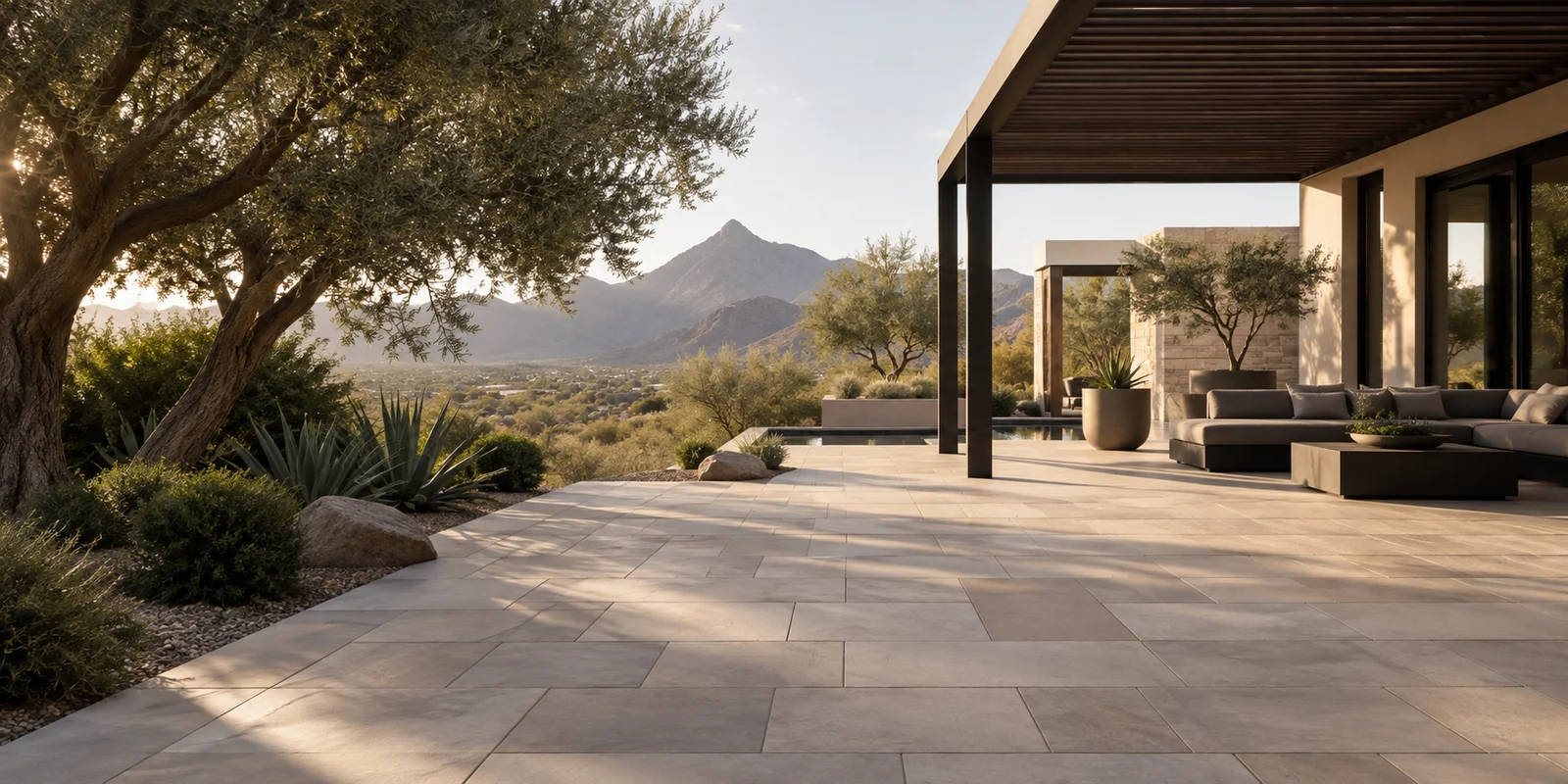
Before diving into design specifics, it’s important to grasp the fundamentals of garden hardscape. Hardscape involves the non-living elements of your yard, such as patios, walkways, and walls. These structures not only add beauty but also enhance functionality by providing durable surfaces that withstand weather conditions.
Assessing Your Space
Every garden is unique, and assessing your space is the first step toward a successful hardscape design. Begin by observing your yard’s natural features and consider how you want to utilize the area. Pay attention to factors like sun exposure, drainage, and existing plants or structures.
Choosing the Right Materials
Material selection is crucial to achieving a cohesive and appealing design. From natural stone to brick and concrete pavers, each material offers its own set of benefits and aesthetic appeal. For example, natural stone can provide a rustic look, while concrete pavers offer versatility and durability.
Designing Functional Paths
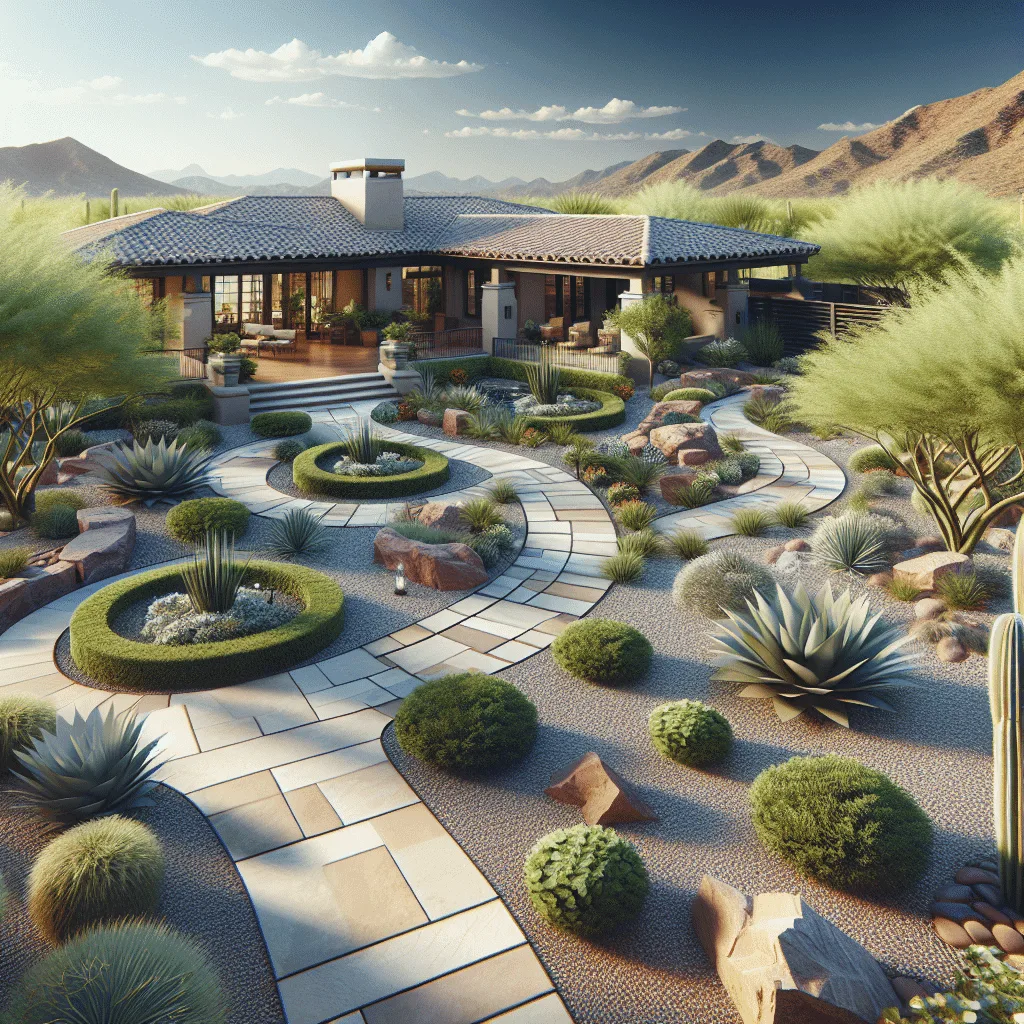
Paths not only guide movement but also contribute significantly to the overall look of your garden. When designing paths, consider their width and the material that best complements the surrounding environment. A well-designed path can add elegance and guide visitors on an inviting journey through your landscape.
Curved paths often create a more natural, flowing feel, while straight paths offer a more formal appearance. We’ve found that incorporating gentle curves can help soften the look and make the space feel more expansive. Trust Gilbert Paver Company to design paths that connect all areas of your garden seamlessly.
Incorporating Retaining Walls
Retaining walls serve multiple purposes, from creating terraces on sloped land to adding visual interest with different levels. When designed correctly, they not only support soil and plants but also enhance the overall aesthetics of your garden. Materials like stone and brick can be used to craft walls that blend perfectly with your home’s architecture.
Planning Outdoor Living Areas
Imagine having a space in your garden where you can relax, entertain, and dine with your family and friends. That’s the beauty of well-planned outdoor living areas. Patios and decks extend the usable space of your home and can be customized to suit your lifestyle and needs.
Implementing Water Features
Water features bring a sense of tranquility and can be a striking focal point in any garden. Whether it’s a small pond, a cascading waterfall, or a simple fountain, water elements can enhance the sensory experience in your garden. They attract wildlife, creating a vibrant and lively outdoor space.
Lighting for Ambiance and Safety
Lighting plays a crucial role in garden hardscape design, providing ambiance while ensuring safety during nighttime hours. Pathway lights, spotlights for accentuating features, and ambient lighting around seating areas all contribute to a warm and inviting atmosphere.
Maintaining Longevity and Durability
The beauty of hardscape is its durability, but proper maintenance ensures it remains looking its best for years to come. Regular cleaning, sealing, and addressing minor repairs protect your investment from wear and weather. Different materials have specific maintenance needs, and understanding these can save time and effort.
Budgeting and Planning
A successful hardscape project begins with realistic budgeting and thorough planning. Determining the scope and desired elements in advance allows for a smoother process and prevents unexpected costs. Consider factors like material costs, labor, and any additional features when planning your budget.
Conclusion
Crafting a perfect garden hardscape is an exciting journey that transforms your outdoor space into a haven of beauty and functionality. For expert guidance, Contact Us at 480-534-9680 or Request a Free Quote from Gilbert Paver Company today!