
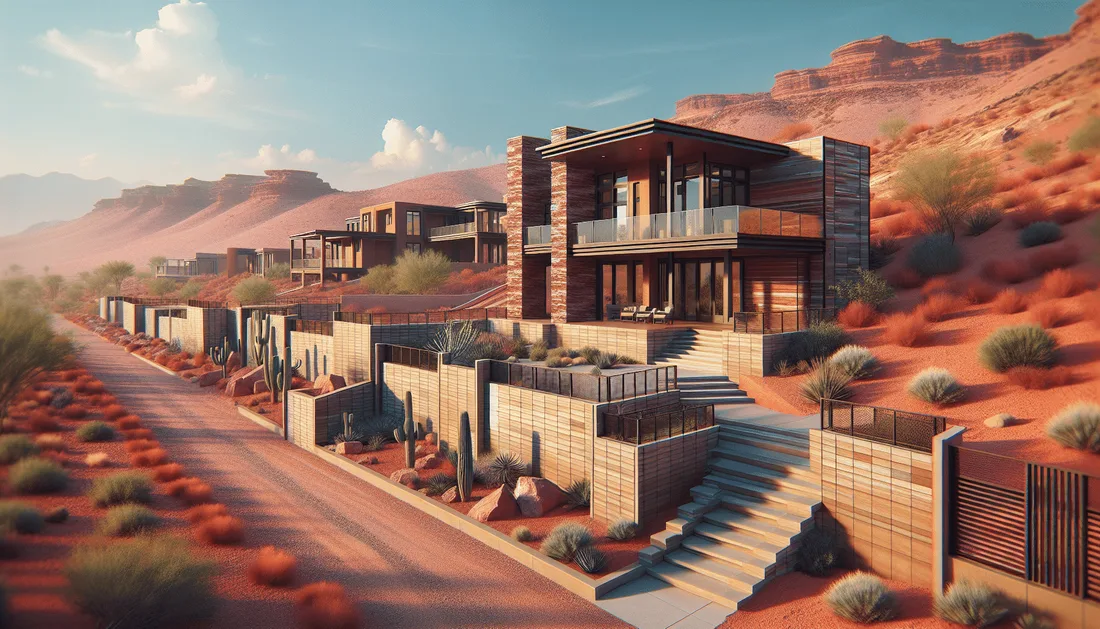
Struggling with uneven patches or soil erosion in your backyard? You’re not alone, and that’s exactly why we’re here! Welcome to Gilbert Paver Company’s guide for homeowners who want to transform their outdoor space with the perfect Retaining Wall.
Understanding the Purpose of Retaining Walls
Retaining walls do more than just add aesthetic appeal to your landscape. Their primary function is to hold back soil, stabilize sloped landscapes, and prevent erosion. By understanding how they work, you can make informed choices about the materials and design that best suit your needs.
It’s crucial to select a wall that complements your lifestyle and existing landscape. Come along as we guide you through the essentials to consider when adding a retaining wall to your property.
Types of Retaining Walls
There are several types of retaining walls, each with its own advantages. From gravity walls to cantilevered structures, knowing the differences can help you choose the right one for your space.
Gravity walls rely on their own weight to resist pressure from the soil behind them. Meanwhile, cantilevered walls use a unique design to divert weight and provide additional stability. Explore the options to ensure your wall suits your specific needs.
Choosing the Right Materials
The materials you select for your retaining wall can significantly impact both its appearance and functionality. Brick, stone, and concrete are popular choices, each offering its own benefits and challenges.
For example, stone walls provide a natural look, while concrete pavers can be customized in various shapes and colors. The choice depends on your aesthetic preferences as well as the wall’s intended function.
Evaluating the Slope and Soil Type
Before deciding on a wall design, assessing your property’s slope and soil type is essential. Certain materials and designs perform better in specific conditions.
Soil type, in particular, can affect drainage and stability. Engaging with professionals early in the planning process will ensure that you achieve a successful installation.
Compliance with Local Regulations
Local regulations and codes can influence your project’s scope and design. Consulting with experts who understand these rules can save time and prevent costly modifications later on.
Importance of Proper Drainage
Proper drainage is vital for the longevity of your retaining wall. Poor drainage can lead to increased pressure, reducing your wall’s effectiveness and leading to damage over time.
We recommend a system that efficiently channels water away from the structure, safeguarding your property from erosion and maintaining structural integrity.
Designing for Aesthetic Appeal
Your retaining wall should be functional as well as visually pleasing. Consider the overall landscape design and how the wall will fit into the existing environment.
Select the material and construction for the actual use, then make the estimate specific about preparation, drainage, access and finish details. Compare current product information and representative samples, and ask the installer to explain the proposed work and any specialist responsibilities.
Benefits of Professional Installation
While DIY projects can be rewarding, installing a retaining wall requires experience and precision. Errors in the installation process can lead to significant issues down the line.
Relying on professionals ensures that your retaining wall is constructed to the highest standards, providing durability and peace of mind. Let us take care of your installation needs.
Cost Considerations
Budgeting for your retaining wall project involves more than just the cost of materials. Labor, permits, and additional landscaping may also contribute to the final expense.
We’ll work with you to develop a cost-effective plan that aligns with your financial goals, ensuring no surprise costs arise during or after the project.
Maintenance and Longevity
Regular maintenance can vastly extend the life of your retaining wall. Understanding the upkeep required for your chosen materials is crucial to preserving its appearance and functionality.
Simple practices, such as cleaning and inspecting for issues, can keep your wall in excellent condition. Our experts can provide tailored maintenance plans based on your wall’s design and materials.
Key Features to Consider
- Height: The height of your wall should align with functional needs and legal requirements. Taller walls may need additional support.
- Style: Choose a style that matches your property’s architecture and landscape, blending seamlessly into the environment.
- Functionality: Define the wall’s primary purpose, whether it’s for aesthetics, erosion control, or privacy.
- Accessibility: Ensure that your design includes access points for maintenance, gardening, or other needs.
- Lighting: Incorporate lighting to enhance safety and highlight architectural features, increasing the wall’s functionality.