
Asphalt is a remarkable paving material known for its durability and versatility. Whether you’re considering an asphalt driveway, parking lot, or road, understanding the techniques that contribute to longevity is crucial. Gilbert Paver Company is here to guide you through the art of asphalt paving.
Why Choose Asphalt?
Asphalt is a favored choice for many reasons. It offers excellent load-bearing capacity, resistance to weathering, and a smooth, skid-resistant surface. Its flexibility allows it to withstand freeze-thaw cycles, making it ideal for various climates.
Preparing for Paving
Site Assessment
Before starting any asphalt project, a thorough site assessment is essential. We’ll evaluate the soil conditions, drainage patterns, and traffic loads to determine the best approach for your specific needs.
Proper Drainage
Proper drainage is crucial to prevent water from undermining your asphalt surface. We’ll ensure your project includes adequate drainage solutions to protect against water-related damage.
Soil Stabilization
In some cases, soil stabilization may be necessary to create a solid foundation for your asphalt. This process strengthens the soil, preventing future settlement issues.
The Paving Process
Sub-base Installation
A stable sub-base is the foundation of a durable asphalt surface. We’ll carefully prepare the sub-base to ensure it can support the load and prevent cracking or sinking.
Asphalt Mix Selection
Selecting the right asphalt mix is crucial. We’ll choose a mix that suits your project’s specific requirements, considering factors like traffic volume and climate.
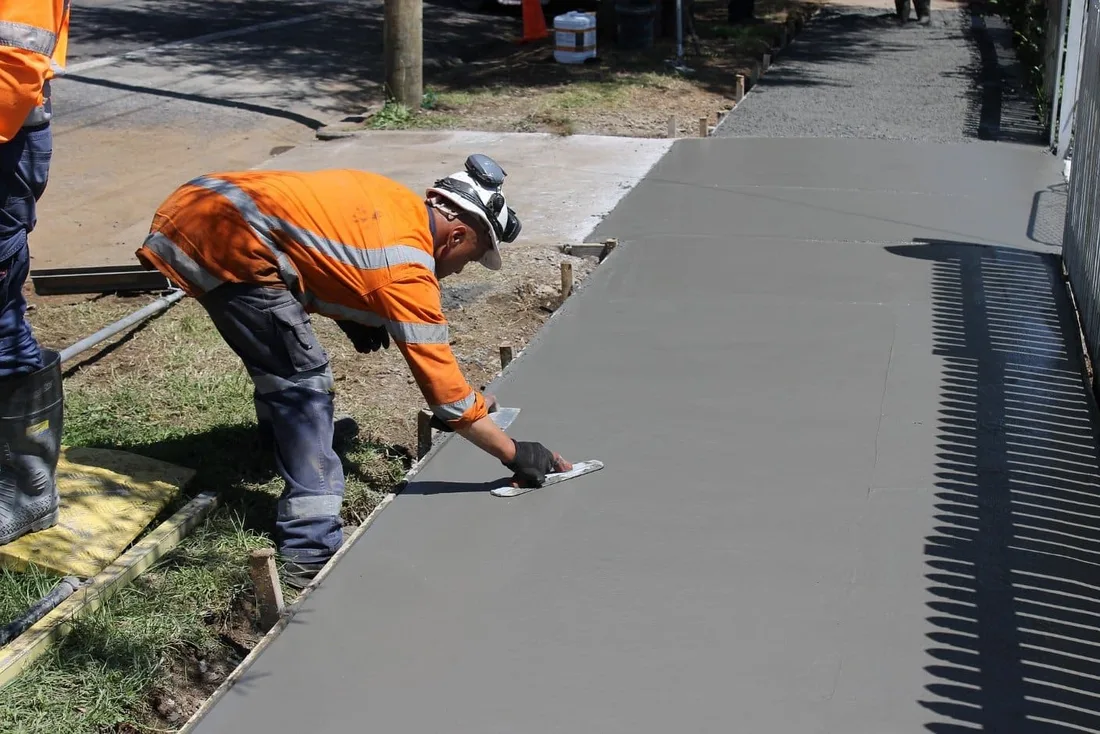
Compaction and Leveling
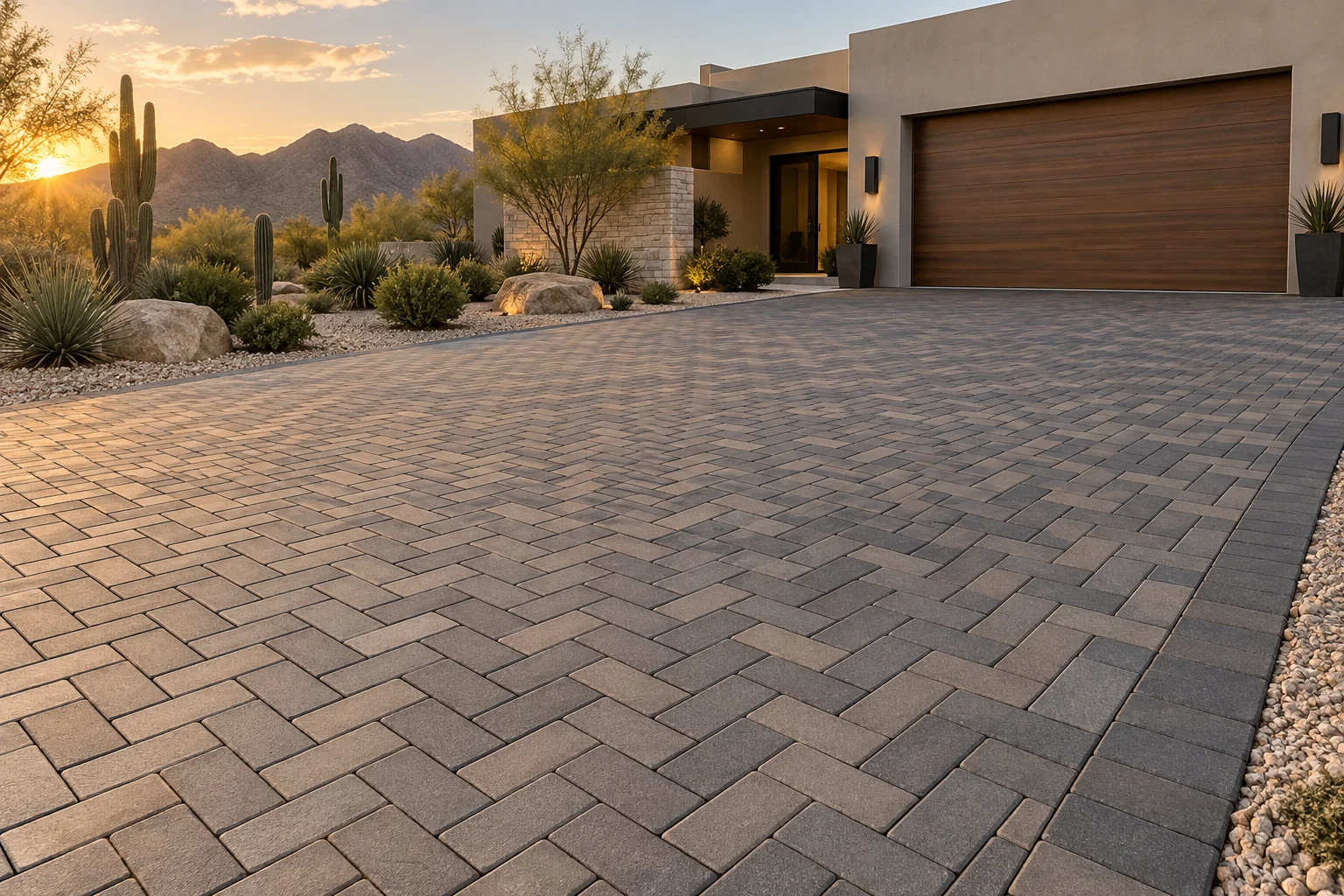
An interlocking pavement depends on prepared ground, a suitable base, bedding, units, joints and edge restraint working together. The intended loading and actual ground conditions should guide the specification. Joint treatment cannot correct an unstable base, and compaction or polymeric sand should not be described as making the pavement stronger than concrete or permanently weed-free.
Ensuring Durability
Sealcoating
Sealcoating is a vital maintenance step that protects your asphalt from UV rays, water, and other damaging elements. Regular sealcoating can significantly extend the life of your pavement.
Routine Maintenance
Routine maintenance, including regular inspections and cleaning, is essential. We’ll provide guidance on maintaining your asphalt surface to maximize its lifespan.
Repairing Cracks and Potholes
Select care and repair methods for the actual material and condition. Cleaning, sealing, joint renewal and resetting are different tasks. Follow compatible product guidance and confirm the proposed scope; a water-based or eco-friendly label alone does not establish safety or suitability.
FAQs - Your Top 5 Questions Answered
Why is asphalt a popular choice for paving?
Asphalt is favored for its durability, versatility, and ability to withstand varying weather conditions.
How long does an asphalt surface typically last?
With proper maintenance, asphalt surfaces can last 20 to 30 years or more.
What is the importance of proper drainage?
Proper drainage prevents water from undermining the asphalt, prolonging its life.
Can asphalt be resurfaced?
Yes, asphalt can be resurfaced to extend its life and improve its appearance.
Is regular maintenance necessary?
Yes, regular maintenance, including sealcoating and crack repair, is essential to maximize the lifespan of your asphalt surface.
Ready to embark on your asphalt paving project with confidence? Contact Gilbert Paver Company today for expert guidance and a personalized quote at 480-534-9680. Let’s create durable, beautiful asphalt surfaces together.